US Job Market Surges for Third Month: What It Means for the Economy and Interest Rates
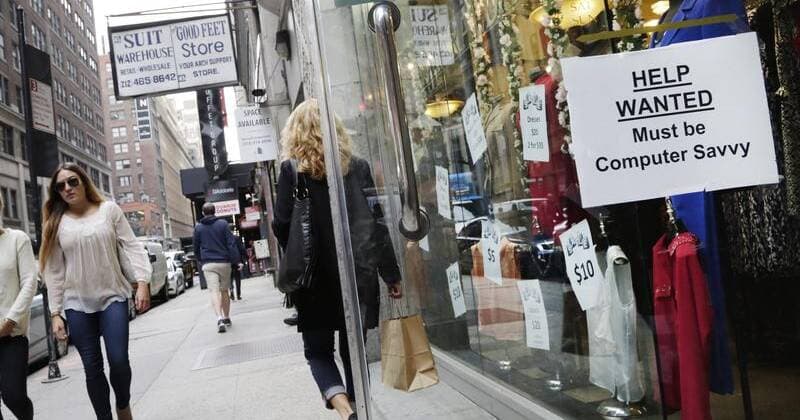
The US economy has posted a third straight month of strong job gains in May, confirming the labour market is gaining traction after stumbling last year. This gives the Federal Reserve more room to keep interest rates unchanged amid rising inflation due to the war in the Middle East.
The closely watched employment report from the US Labor Department on Friday painted an upbeat picture of the jobs market. The economy added 93,000 more jobs in March and April than previously estimated, and the unemployment rate held at 4.3% for a third consecutive month.
While financial markets boosted the chances of an interest rate hike in December, economists said the bar remains high for monetary policy tightening. They note that fiscal stimulus, in the form of tax and import tariff refunds, has cushioned the effect of the US-backed war with Iran, which has stoked inflation through a surge in oil prices.
Corporate profits have increased since the second quarter of 2025, allowing businesses to refrain from large-scale lay-offs. However, economists warned of risks to the labour market if the war persists.
"This report is likely to confirm to the Fed that the labour market is in a stable place, allowing inflation to be the only focus and driver of Fed policy heading into the June meeting," said Sophia Kearney-Lederman, a senior economist at FHN Financial.
Non-farm payrolls increased by 172,000 jobs last month after rising by an upwardly revised 179,000 in April. Economists polled by Reuters had forecast payrolls would increase by 85,000 jobs after a previously reported rise of 115,000 in April. Estimates for job growth ranged from 50,000 to 125,000.
The payrolls count for March was revised up by 29,000 jobs to 214,000. Economists estimated the economy needs to create between zero and 50,000 jobs per month to keep up with growth in the working-age population. The so-called break-even rate has dropped because of an immigration crackdown that has reduced the labour force, limiting the rise in the unemployment rate.
The labour market had been hampered by uncertainty over the implementation last year of US President Donald Trump's sweeping tariffs, which made businesses cautious about boosting hiring. Although businesses are hiring, much of the improvement in job growth is likely due to historically low lay-offs.
The US Supreme Court in February struck down the tariffs, and some businesses have filed for refunds. Large income tax refunds have allowed consumers to keep spending, although upper-income households are doing most of the heavy lifting.
The run of strong employment gains suggests the labour market could be breaking out of its "slow-hire, slow-fire" equilibrium.
The leisure and hospitality sector led the broad increase in employment last month, with 70,000 jobs added, well above the average monthly gain of 14,000 over the past 12 months. Payrolls at restaurants and bars rose by 48,000 jobs. These establishments could be hiring in preparation for the FIFA World Cup football tournament, which is being partly hosted by the US.
The healthcare sector added 35,000 jobs, most of them in ambulatory services. There were also increases in payrolls in the social assistance, mining, quarrying and oil and gas extraction industries.
But employment tied to financial activities dropped by 22,000 jobs and is down by 107,000 since a recent peak in May 2025. There were employment losses for insurance carriers and related activities as well as commercial banking.
"There is no compelling reason to expect the Fed to cut rates this year," said Kathy Bostjancic, chief economist at Nationwide. "At this point it is premature to anticipate a rate increase. For the Fed to consider a rate hike, the jump in energy prices would need to push up prices of other goods and services away from the immediate direct impact and dislodge the so-far well-contained bond market inflation expectations."
- #usjobs
- #employmentreport
- #federalreserve
- #interestrates
- #labourmarket
Comments · 0